 Image 1 of 4
 Image 2 of 4
 Image 3 of 4
 Image 4 of 4
Compound Tirzepatide (GLP-1)
Tirzepatide is a novel medication that acts as a dual GLP-1 and GIP receptor agonist, showing promise in the management of type 2 diabetes and potential weight management outcomes. It mimics the action of incretin hormones, which are released by the gut in response to food intake, leading to enhanced insulin secretion, reduced glucagon levels, and improved glycemic control.
Mechanism of Action
Tirzepatide binds to the GLP-1 and GIP receptors, promoting insulin release from the pancreas in a glucose-dependent manner. This means that the drug helps to lower blood sugar levels without the risk of hypoglycemia when glucose levels are normal or low. Additionally, it leads to slower gastric emptying, which can contribute to reduced appetite and subsequent weight loss.
Clinical Efficacy
Clinical trials have demonstrated that tirzepatide effectively lowers HbA1c levels and body weight compared to other treatments for type 2 diabetes. Patients receiving tirzepatide have reported significant reductions in both fasting and postprandial blood glucose levels. In some cases, those on tirzepatide experienced greater weight loss than when using other available glucose-lowering medications.
Considerations for Use
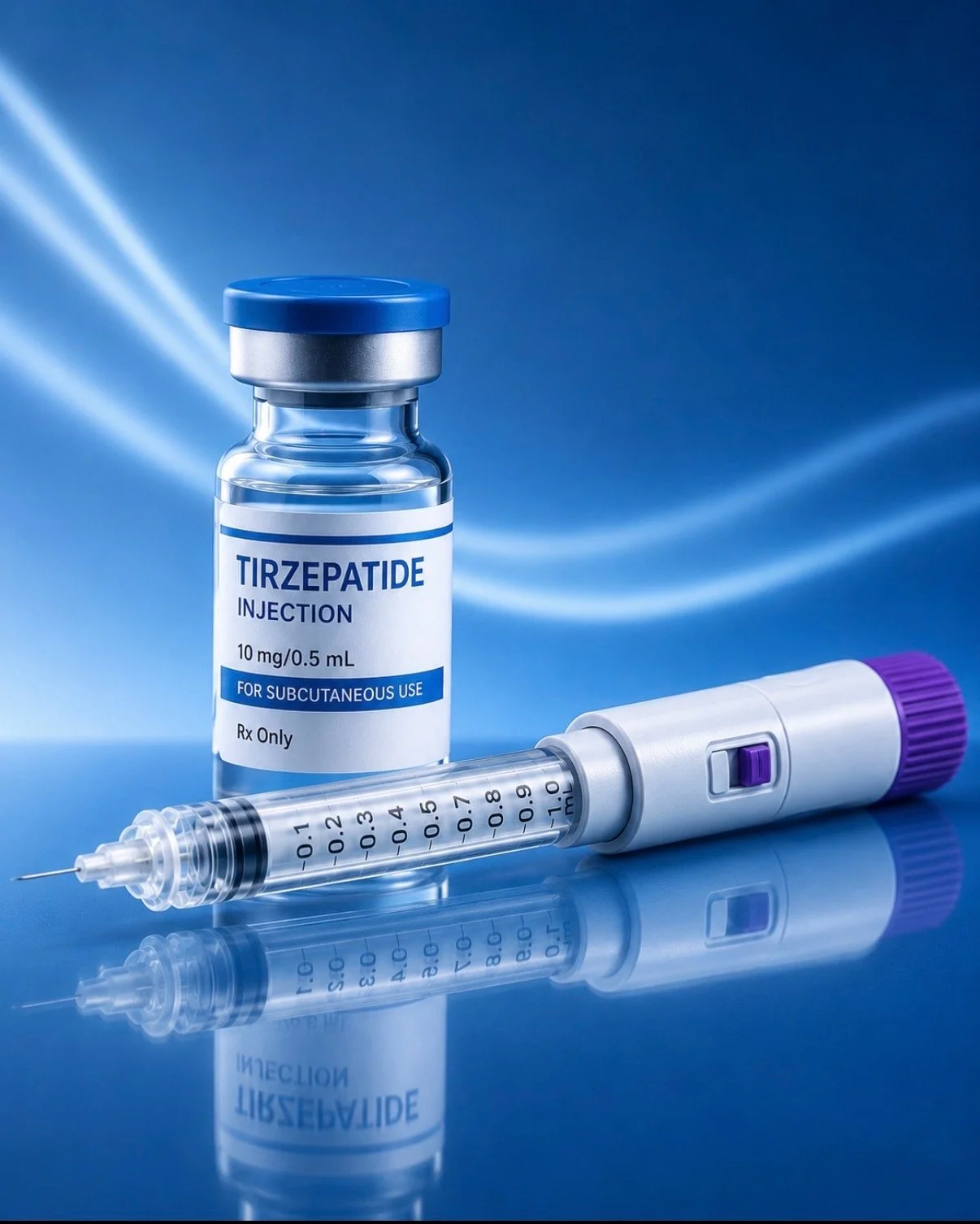
Tirzepatide is administered via subcutaneous injection, typically once a week, making it convenient for patients. However, it is essential for healthcare providers to evaluate patient history and individual health conditions before initiating treatment. Patients with a history of medullary thyroid carcinoma or multiple endocrine neoplasia syndrome type 2 should avoid this medication.
Conclusion
Tirzepatide represents a significant advancement in the management of type 2 diabetes and weight loss. Its dual action on GLP-1 and GIP receptors introduces a new option for patients needing improved glycemic control and weight management. Ongoing research will further elucidate its long-term safety and efficacy, shaping its role in diabetes care.
Compound Tirzepatide (GLP-1)
Tirzepatide is a novel medication that acts as a dual GLP-1 and GIP receptor agonist, showing promise in the management of type 2 diabetes and potential weight management outcomes. It mimics the action of incretin hormones, which are released by the gut in response to food intake, leading to enhanced insulin secretion, reduced glucagon levels, and improved glycemic control.
Mechanism of Action
Tirzepatide binds to the GLP-1 and GIP receptors, promoting insulin release from the pancreas in a glucose-dependent manner. This means that the drug helps to lower blood sugar levels without the risk of hypoglycemia when glucose levels are normal or low. Additionally, it leads to slower gastric emptying, which can contribute to reduced appetite and subsequent weight loss.
Clinical Efficacy
Clinical trials have demonstrated that tirzepatide effectively lowers HbA1c levels and body weight compared to other treatments for type 2 diabetes. Patients receiving tirzepatide have reported significant reductions in both fasting and postprandial blood glucose levels. In some cases, those on tirzepatide experienced greater weight loss than when using other available glucose-lowering medications.
Considerations for Use
Tirzepatide is administered via subcutaneous injection, typically once a week, making it convenient for patients. However, it is essential for healthcare providers to evaluate patient history and individual health conditions before initiating treatment. Patients with a history of medullary thyroid carcinoma or multiple endocrine neoplasia syndrome type 2 should avoid this medication.
Conclusion
Tirzepatide represents a significant advancement in the management of type 2 diabetes and weight loss. Its dual action on GLP-1 and GIP receptors introduces a new option for patients needing improved glycemic control and weight management. Ongoing research will further elucidate its long-term safety and efficacy, shaping its role in diabetes care.